Last Updated: January 20, 2026
Introduction
On 27 August 2025, the United States officially imposed a 50% tariff on Indian exports, a move that has sent shockwaves across global markets. The decision, announced earlier this summer, is part of Washington’s renewed push to “rebalance” trade relationships and protect domestic industries. For India, this represents both an immediate challenge and an opportunity to rethink its global alliances.
Let’s break down what this tariff means, how India is responding, and what ripple effects the world economy might face.
Why the U.S. Imposed the Tariff
The U.S. cited three main reasons for introducing this steep tariff:
- Trade Imbalance – The U.S. has long complained about its widening trade deficit with India. In 2024, U.S. imports from India crossed $130 billion, with a significant portion coming from textiles, pharmaceuticals, and IT services.
- Domestic Pressure – With U.S. elections approaching in late 2025, policymakers are under pressure to protect American workers in manufacturing, steel, and technology sectors.
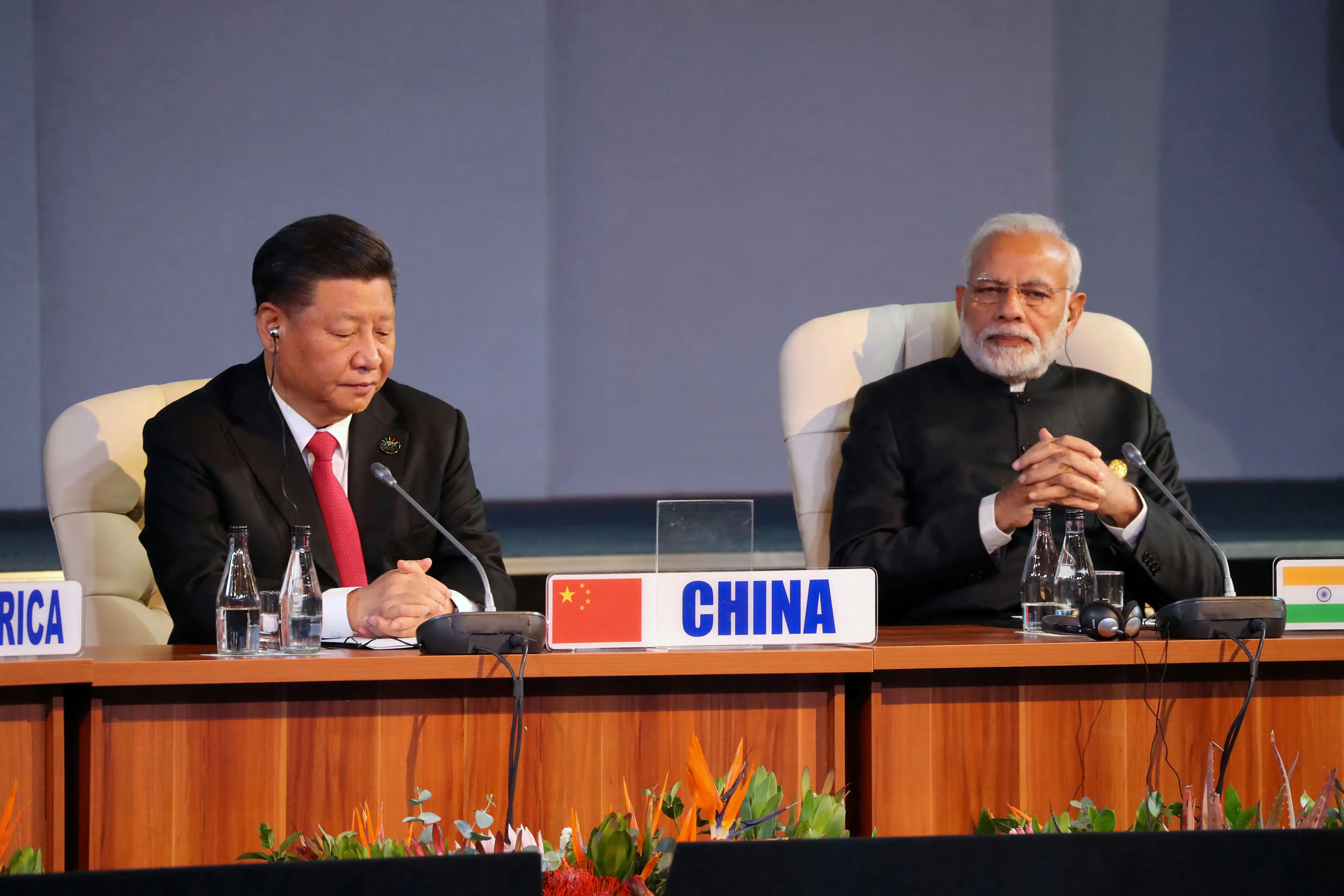
- Strategic Rivalry – The U.S. also views India’s growing partnerships with Russia and China—especially in energy and defense—as a concern. Tariffs serve as both an economic and political signal.
India’s Immediate Response
India has not taken this move lightly. Within hours of the announcement, New Delhi outlined a three-pronged strategy:
- Diversifying Export Markets
India is boosting trade talks with China, Russia, and the European Union, aiming to soften the blow of reduced U.S. demand. - Supporting Domestic Industry
A $10 billion relief package was announced for exporters in textiles, IT services, and auto parts—sectors most affected by the tariffs. - Diplomatic Engagement
India’s Prime Minister Narendra Modi has opened backchannel talks with U.S. officials, hoping for a compromise. Meanwhile, Indian trade ministers are lobbying within the World Trade Organization (WTO) to contest the legality of the tariff hike.
Impact on Key Sectors
1. Textiles & Apparel
India’s $20 billion textile exports to the U.S. are likely to suffer the most. Many mid-sized manufacturers could face closures if relief measures are delayed.
2. Pharmaceuticals
India, often called the “pharmacy of the world,” exports billions worth of generic drugs to the U.S. A 50% tariff makes Indian products less competitive, benefiting European and domestic American producers.
3. IT Services & Outsourcing
This sector may remain relatively resilient, since tariffs are harder to impose on digital services. However, U.S. companies may start lobbying for restrictions in outsourcing contracts.
Global Ripple Effects
The tariff war doesn’t just affect India and the U.S.—it impacts global markets:
- Supply Chain Shifts: Companies may move production to Vietnam, Bangladesh, or Mexico to avoid tariffs.
- Commodity Prices: With India shifting more exports to Asia and Europe, global competition may push prices of textiles, steel, and chemicals lower.
- Geopolitical Realignment: India’s warming ties with China and Russia could accelerate, reshaping the BRICS+ alliance into a stronger global counterweight to the West.
What Experts Are Saying
- Goldman Sachs Analysis: India could lose up to $30 billion in annual exports if tariffs persist beyond 2025.
- Indian Trade Ministry: “These tariffs are punitive and politically motivated. India will safeguard its interests.”
- U.S. Business Chamber: American retailers fear higher consumer prices, especially for clothing and pharmaceuticals.
What This Means for You
- Indian Exporters: Short-term pain, but long-term diversification into new markets is crucial.
- American Consumers: Expect higher prices on clothing, medicines, and imported auto parts.
- Global Businesses: Opportunities may open in markets like Vietnam, Indonesia, and Eastern Europe as supply chains adjust.
Read More The Future of Online Privacy: What You Need to Know in 2025
Conclusion
The U.S. tariff on India is more than just an economic measure—it’s a geopolitical maneuver with far-reaching implications. While India faces short-term challenges, this crisis could accelerate its pivot toward Asia and non-Western alliances, potentially reshaping the global economic order in the coming decade.