Last Updated: January 15, 2026
🌍 Introduction: The New Age of Emotional Intelligence
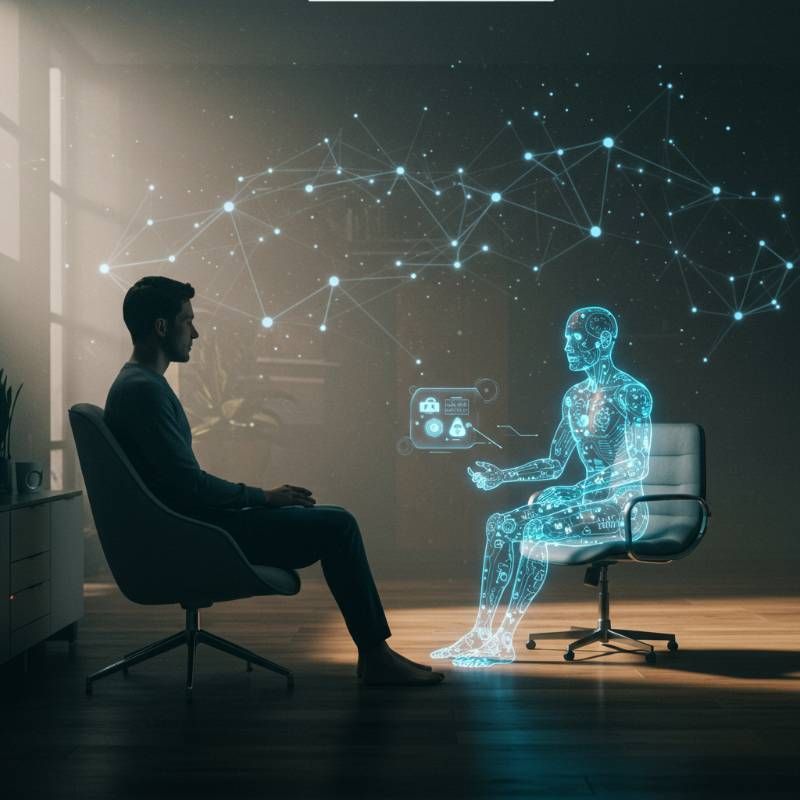
In 2025, the conversation around artificial intelligence (AI) has moved far beyond automation and productivity. Today, AI has found its place in one of humanity’s most intimate spaces — mental health and emotional well-being. From therapy chatbots that listen with empathy to personalized mood trackers and AI-powered mindfulness apps, technology is changing how we understand, manage, and heal our minds.
Mental health issues have long been under-addressed globally, with millions struggling to access timely and affordable therapy. The COVID-19 pandemic amplified these challenges, sparking an urgent need for scalable, accessible, and stigma-free support systems. That’s where AI-driven mental health solutions have emerged as powerful allies — bridging gaps between human care and digital convenience.
💬 1. The Evolution of AI in Mental Health
AI’s role in mental health didn’t happen overnight. It started with basic chatbots like ELIZA in the 1960s — simple text programs that simulated a therapist’s responses. Fast forward to 2025, and we now have emotionally aware systems capable of detecting tone, analyzing facial expressions, and even predicting mood swings based on text or voice inputs.
This transformation was made possible by breakthroughs in Natural Language Processing (NLP), Machine Learning (ML), and Affective Computing — the branch of AI that studies emotional intelligence in machines. These technologies enable systems to understand not only what users say but also how they say it.
🤖 2. How Emotional AI Works Behind the Scenes
To provide mental health support, AI models are trained on large datasets of human conversations, emotional patterns, and therapy transcripts. These models learn to recognize emotional cues such as sadness, anxiety, anger, or stress.
Here’s a simplified process:
- Input Analysis – AI reads or listens to user input (text, voice, or video).
- Sentiment Detection – It determines the emotional tone (e.g., sad, calm, anxious).
- Context Understanding – The AI analyzes context and intent behind the user’s words.
- Response Generation – Using NLP, it formulates empathetic and supportive replies.
- Adaptive Learning – Over time, it learns individual user preferences and refines its communication style.
These intelligent systems aren’t meant to replace human therapists but to augment support — offering immediate assistance when professionals aren’t available.
🧘 3. The Best AI Mental Health Tools of 2025
Let’s explore some of the most impactful AI mental health innovations making waves this year:
🟢 1. Wysa
Wysa is a therapy chatbot powered by evidence-based Cognitive Behavioral Therapy (CBT) techniques. It helps users reframe negative thoughts and cope with anxiety, depression, and stress. Its conversational tone feels comforting rather than robotic.
🔵 2. Woebot
Woebot uses emotional AI to offer daily emotional check-ins and coping exercises. It has been clinically validated and is increasingly used by healthcare providers as a digital-first mental health companion.
🟣 3. Replika
Originally designed as a friendship AI, Replika has evolved into a digital emotional companion that listens, empathizes, and offers gentle advice. Many users find it therapeutic during times of loneliness.
🟡 4. Youper
Youper is an AI-based emotional health assistant that combines CBT, Acceptance Commitment Therapy (ACT), and mindfulness techniques. It adapts conversations in real time to match the user’s emotional tone.
🟠 5. Mindstrong
Mindstrong takes a data-driven approach by analyzing smartphone usage patterns (like typing speed and scrolling habits) to detect early signs of depression or cognitive decline — allowing users to seek help proactively.
🌐 4. Benefits of AI in Mental Health Care
AI-driven mental health platforms are not just convenient — they’re transformative. Here’s how they’re reshaping the landscape:
✅ 24/7 Availability
Unlike traditional therapy sessions, AI mental health tools are accessible anytime, anywhere. You can talk to your chatbot at 2 a.m. and still receive immediate support.
✅ Affordability
Professional therapy can be expensive, especially in countries without public mental health care. AI-powered apps provide affordable or even free alternatives for those who need them most.
✅ Anonymity
Many individuals hesitate to seek help due to social stigma. AI tools provide complete privacy and anonymity, encouraging more people to open up.
✅ Scalability
AI makes it possible to reach millions of people simultaneously, helping close the global mental health treatment gap.
✅ Early Intervention
Through data analysis, AI can detect warning signs before a mental health crisis escalates — a critical step in preventive care.
🧩 5. Ethical and Emotional Challenges
Despite its potential, AI in mental health comes with important challenges:
⚠️ 1. Data Privacy
Sensitive emotional data must be stored and processed securely. Any breach can severely impact user trust and safety.
⚠️ 2. Lack of Human Nuance
AI can recognize patterns, but it lacks deep empathy and the ability to fully grasp human complexity. Emotional subtleties might still be lost in translation.
⚠️ 3. Dependence Risks
Users might develop emotional attachment to AI chatbots, potentially isolating them further from real human connections.
⚠️ 4. Bias in Training Data
AI models trained on limited datasets can misinterpret certain cultural or linguistic nuances, leading to biased or insensitive responses.
To address these issues, developers and healthcare professionals must work together to create transparent, ethical, and culturally inclusive AI systems.
Nano Banana vs Seedream 4.0: The Best AI Image Generators of 2025? A Complete Guide
💡 6. The Future of AI-Powered Mental Health (2025 and Beyond)
The next generation of mental health AI tools will go beyond chatbots and apps. Here’s what’s coming:
- Brain-Computer Interfaces (BCI): AI could soon analyze real-time brain activity to detect emotional distress even before the user verbalizes it.
- Virtual Reality Therapy: AI-integrated VR will create immersive relaxation or exposure therapy experiences.
- Personalized AI Coaches: Emotional support systems will adapt to users’ long-term behavioral patterns and therapy progress.
- Integration with Healthcare Systems: AI chatbots will work hand-in-hand with licensed therapists, flagging severe cases for human intervention.
By 2030, experts predict that AI mental health assistants will be as common as fitness trackers — seamlessly integrated into daily life, helping people manage their emotions as naturally as they manage their steps or sleep cycles.
💬 7. Real-Life Impact: Changing Lives One Chat at a Time
From college students battling anxiety to professionals struggling with burnout, AI has already become a silent partner in millions of lives. For many, these systems represent the first step toward healing — a safe space to talk, vent, and feel heard.
Stories have emerged of users crediting apps like Wysa and Woebot for helping them through panic attacks, loneliness, and depressive episodes. While AI doesn’t replace therapy, it often provides a bridge between silence and professional help, making mental wellness more accessible and inclusive than ever before.
🌈 Conclusion: The Symbiosis of Humanity and Technology
The rise of AI in mental health represents a new chapter in emotional wellness — one where technology doesn’t replace human empathy but enhances it. The goal is not to create machines that feel like humans, but to help humans feel understood through technology.
As 2025 continues, emotional AI stands as a testament to what happens when innovation meets compassion. It’s not about replacing therapists, but about extending care — ensuring that every person, regardless of geography or income, has access to emotional support when they need it most.